

For many men, living with ongoing urinary symptoms can slowly wear you down, particularly when
they begin to affect sleep and daily routines. When this happens, it is natural to wonder
whether surgery is the only way forward.
The good news is that a variety of treatments are available to help relieve symptoms, improve
comfort and enhance quality of life, all without the need for an operation. In this article, we
look at what an enlarged prostate is, the non-surgical options available, as well as when
surgery may be needed. Keep reading to learn more.
What Is an Enlarged Prostate (BPH)?
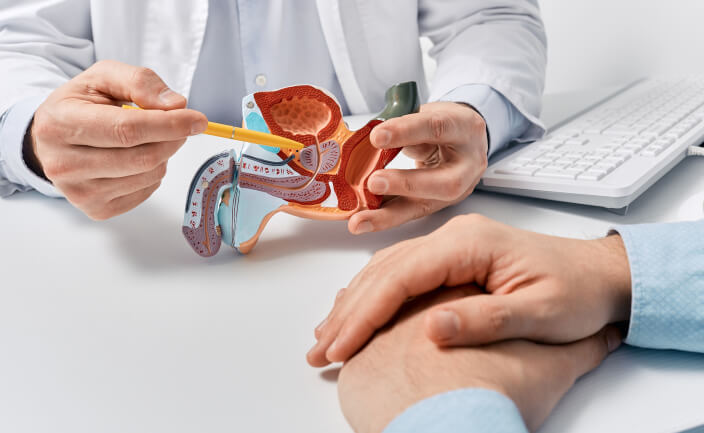
Benign prostatic hyperplasia, commonly known as BPH, refers to the non-cancerous enlargement of
the prostate gland. The prostate sits just below the bladder and surrounds the urethra, the tube
that carries urine out of the body. As the prostate enlarges, it can compress the urethra and
interfere with normal urine flow.
This pressure leads to a group of symptoms known as lower urinary tract symptoms, which are the
signs of prostate enlargement. These may include frequent urination, difficulty starting or
stopping, a weak stream and the sensation that the bladder has not fully emptied.
What Causes an Enlarged Prostate?
The exact cause of BPH is not fully understood, but hormonal changes linked to ageing play a
significant role. Testosterone is converted within the prostate into dihydrotestosterone, or
DHT, which stimulates prostate cell growth. As hormone levels change with age, DHT can
accumulate, leading to a gradual increase in prostate size.
As this process is closely tied to ageing, BPH becomes increasingly common in men over the age
of 50. While it is not cancerous, its symptoms can worsen over time if left untreated.
Non-Surgical Solutions to Treat an Enlarged Prostate
In cases of mild to moderate symptoms, surgery is not usually the first step. Treatment for BPH
is highly individualised and depends on symptom severity, prostate size and overall health. In a
large number of cases, symptoms can be effectively managed without surgery.
Several non-surgical options include:
Medications for Enlarged Prostate
Medication is usually the first line of treatment. These work either by relaxing muscles around the prostate or by gradually reducing the size of the gland.
- Alpha-blockers: Alpha-blockers, such as tamsulosin, relax the smooth muscles in the prostate and bladder neck. This reduces pressure on the urethra and allows urine to flow more easily, often providing symptom relief within days.
- 5-Alpha Reductase Inhibitors (5-ARIs): Drugs like finasteride and dutasteride work by blocking the production of DHT, which gradually causes the prostate to shrink over several months. They are usually prescribed for men with significantly larger prostate glands.
- Combination Therapy: For those whose symptoms are not adequately managed by a single drug, urologists may prescribe a combination of both an alpha-blocker and a 5-alpha reductase inhibitor to improve symptom control.
- Phosphodiesterase-5 Inhibitors (PDE5-I): Tadalafil, a drug traditionally used for erectile dysfunction, has also been approved to help relieve BPH symptoms.
Minimally Invasive Treatments
Minimally invasive procedures offer an alternative for men who do not respond well to medication or prefer a procedural approach without traditional surgery. These treatments are usually performed as day procedures and involve less recovery time.
- Prostatic Urethral Lift (PUL): Prostatic urethral lift involves placing small implants to hold enlarged prostate tissue away from the urethra, improving urine flow without cutting or removing tissue.
- Water Vapour Thermal Therapy (Rezum): This method uses steam to target excess prostate tissue. The treated cells are gradually absorbed by the body, leading to prostate shrinkage and symptom relief over time.
- Prostate Artery Embolisation (PAE): Performed by an interventional radiologist, tiny particles are used to reduce blood flow to the prostate, causing it to shrink gradually.
When Surgery May Be Necessary
While non-surgical options are highly effective for most men, surgery may still be required in certain situations. This is usually the case when symptoms become severe or when complications develop.
Indications for surgery include:
- The inability to pass urine at all, requiring a catheter
- Recurrent urinary tract infections (UTIs)
- Bladder stones
- Kidney damage due to the backflow of urine (hydronephrosis)
- Gross or persistent blood in the urine (haematuria) related to BPH
In these circumstances, procedures such as transurethral resection of the prostate or laser prostate surgery are commonly used and can provide durable relief from urinary issues.
When Should You See a Urologist?
If you are over 50 and experiencing urinary symptoms such as frequent night-time urination, a
weak or slow stream, difficulty starting or a feeling that your bladder does not fully empty, it
is advisable to seek specialist advice.
A urologist can assess your condition using tests such as urine flow studies, ultrasound imaging
and PSA blood tests. Based on these findings, they can recommend a personalised treatment plan
that may include lifestyle changes, medication or a procedural option.
Speak to a Specialist Today
Living with an enlarged prostate does not mean you have to accept ongoing discomfort or
disruption to your daily life. With a wide range of non-surgical and surgical options available,
effective treatment is within reach.
If you are concerned about symptoms of BPH or would like to explore treatment options tailored
to your needs, our specialist team is here to help. Schedule a consultation today and take the
first step towards lasting relief and improved quality of life.

Dr Lincoln Tan
Dr Lincoln Tan is a consultant urologist with clinical experience in diagnosing and managing enlarged prostate
and prostate cancer in Singapore. He is trained in both open and minimally invasive surgical techniques,
including keyhole approaches, and provides care tailored to each patient’s needs.
His work spans the full range of prostate conditions, from initial testing and diagnosis using modern biopsy
methods to planning treatment options such as robotic surgery and other established therapies. Dr Tan places
strong emphasis on clear communication, patient education and evidence-based care.
您的前列腺健康为首
地点
6号纳皮尔路 #05-03,
鹰阁医疗中心,
新加坡邮区 258499
联系我们
| 电话 | : +65 6732 6503 |
| 电邮 | : info@tanurology.com.sg |