
Location
6 Napier Road #05-03,
Gleneagles Medical Centre,
258499, Singapore
Contact Us
| Phone | : +65 6732 6503 |
| : info@tanurology.com.sg |

Have you been noticing a persistent ache in your pelvis, discomfort when passing urine, or even
flu-like symptoms that seem to come out of nowhere? When pain or urinary issues start
interfering with your daily routine, it is natural to wonder what is going on and whether it is
something serious. Prostatitis is one possible cause, but not all forms present or behave in the
same way.
Doctors commonly distinguish between acute and chronic prostatitis, and understanding the
difference is crucial. In this article, we look at how acute and chronic prostatitis differ,
what symptoms to watch for and when to seek medical care. Keep reading to learn more.
Understanding Prostatitis
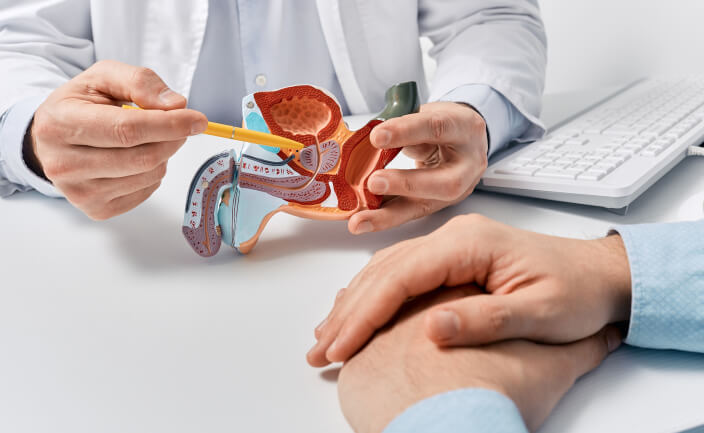
The prostate is a small gland located just below the bladder and in front of the rectum. It plays an essential role in male fertility by producing fluid that nourishes and transports sperm. Prostatitis occurs when this gland becomes inflamed or swollen. This condition is relatively common and can affect men of all ages. However, its causes, symptom patterns and clinical course vary significantly, which is why accurate classification is so important for effective treatment.
What Is Acute Prostatitis?
Acute bacterial prostatitis is a sudden and severe infection of the prostate gland. It is
considered a medical emergency and requires prompt treatment to prevent complications. The
infection is commonly caused by common bacteria, such as Escherichia coli, which can travel to
the prostate from the urinary tract.
While the primary form is acute bacterial prostatitis, doctors may also use a classification
based on severity or complication:
- Uncomplicated Acute Prostatitis: A straightforward case without abscess formation or systemic sepsis.
- Complicated Acute Prostatitis: Involves complications such as prostate abscess (a collection of pus), epididymitis (inflammation of the tube at the back of the testicle) or urosepsis (a life-threatening blood infection).
What Are the Symptoms of Acute Prostatitis?
Acute prostatitis develops rapidly and often makes you feel acutely unwell. Symptoms tend to be intense and may worsen quickly without treatment.
Common symptoms include:
- High fever and chills, which often indicate a systemic infection.
- Pain in the lower back, groin or pelvic area, which may be constant or worsen with sitting or urination.
- General body aches (myalgia), showing that the infection is affecting the entire body.
- Frequent and urgent need to urinate, sometimes with little urine passed.
- Dysuria (painful urination), which causes burning or sharp pain during urination.
- Difficulty urinating or incomplete emptying, as swelling of the prostate may obstruct urine flow.
- Painful ejaculation, caused by inflammation involving the prostate and surrounding tissues.
What Is Chronic Prostatitis?
Chronic prostatitis refers to symptoms that persist or recur for at least three months. It
includes both chronic bacterial prostatitis and chronic pelvic pain syndrome (CPPS), which
together account for the majority of prostatitis cases.
Chronic bacterial prostatitis occurs when bacteria remain within the prostate, leading to
repeated urinary tract infections. In contrast, CPPS — the more common form — is not associated
with a detectable bacterial infection. Its exact cause is unclear, but it may be related to
muscle tension, nerve dysfunction or immune-related factors.
CPPS is further classified into:
- Inflammatory CPPS: White blood cells are found in prostate fluid, semen or urine
- Non-inflammatory CPPS: No signs of inflammation are detected, despite ongoing pain
What Are the Symptoms of Chronic Prostatitis?
Chronic prostatitis symptoms are usually less severe than those seen in acute infection but are more persistent and can significantly affect quality of life. You may experience:
- Pelvic pain or discomfort that lasts three months or longer.
- Pain felt in the area between the scrotum and anus (perineum), lower abdomen, penis or testicles.
- Pain during or after ejaculation.
- Urinary symptoms, such as an urgent need to urinate, difficulty starting a stream, or pain after urination.
- Ongoing fatigue or a general sense of being unwell.
Key Differences Between Acute and Chronic Prostatitis
Although both conditions involve inflammation of the prostate, there are several ways in which they differ.
Onset and Duration
Acute prostatitis begins suddenly, with symptoms developing over hours or days, and usually resolves within weeks when treated promptly. Chronic prostatitis develops more gradually and is defined by symptoms that last for at least three months.
Cause of Infection
Acute prostatitis is almost always bacterial. Chronic prostatitis, however, is most often non-bacterial, with no identifiable infection. When bacteria are involved, they tend to persist deep within the prostate, making eradication more challenging.
Severity of Symptoms
Acute prostatitis often causes systemic illness, including high fever and chills. Chronic prostatitis does not usually make you acutely unwell but causes ongoing pain and urinary discomfort that can be equally disruptive over time.
Treatment Approach
The treatment for prostatitis depends heavily on its classification. Acute cases require immediate, high-dose antibiotics. Chronic bacterial prostatitis, on the other hand, requires long-term antibiotics (4–12 weeks). The chronic prostatitis treatment for abacterial cases (CPPS) is multifaceted and may include pain management, pelvic floor physiotherapy, alpha-blockers and lifestyle adjustments rather than antibiotics.
Get the Right Diagnosis and Care
Prostatitis can be complex, but you do not have to navigate it alone. Whether symptoms appear
suddenly or linger over time, a personalised evaluation is key to effective treatment and
relief.
If you are experiencing symptoms suggestive of prostatitis or would like to discuss your
treatment options, contact us to arrange a consultation with our specialists. Early intervention
can make a meaningful difference to your recovery and quality of life.

Dr Lincoln Tan
Dr Lincoln Tan is a consultant urologist with clinical experience in diagnosing and managing prostatitis and
prostate cancer in Singapore. He is trained in both open and minimally invasive surgical techniques, including
keyhole approaches, and provides care tailored to each patient’s needs.
His work spans the full range of prostate conditions, from initial testing and diagnosis using modern biopsy
methods to planning treatment options such as robotic surgery and other established therapies. Dr Tan places
strong emphasis on clear communication, patient education and evidence-based care.
is Our Priority
Location
6 Napier Road #05-03,
Gleneagles Medical Centre,
258499, Singapore